
Writing as Survival
Diary of Anne FrankThis flow traces how writing gives Anne a confidante, a form of emotional release, and a hoped-for legacy beyond her life.
increasing Bearing strength in each event
 decreasing
Bearing strength in each eventdecreasingPaper as Listener

A Friend Made of Pages
The diary begins
Anne wanted to confide everything to a friend she had not found in ordinary life. She named the diary’s imagined listener Kitty and wrote to it directly.
Patience on paper
The notebook offered a place to record thoughts without fear of interruption. Anne’s belief that paper was more patient than people defines the diary’s emotional starting point.
A Record of Confinement

Ordinary Details Matter
Life observed closely
Anne described rooms, meals, chores, personalities, and moments of fear. Her attention to small events made the hidden household legible as a lived community.
A record against erasure
The diary preserved a world that could otherwise have remained unseen. Domestic details gained historical weight because they were recorded within the context of persecution and hiding.
Rereading the Self
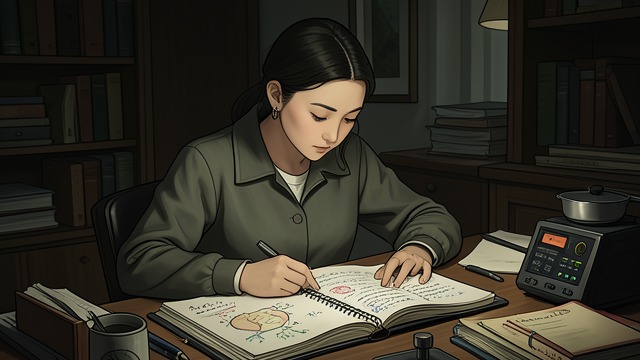
The Diary Looks Back
Earlier judgments reconsidered
Anne reread her own writing and found some passages childish or unfair. She began to distinguish the intensity of a moment from the fuller truth about another person.
Writing enables revision
Because the diary preserved her past voice, Anne could argue with it and learn from it. The record became not only an outlet but an instrument of self-examination.
A Writer’s Ambition

Words as a Future
A chosen vocation
Anne wrote that she wanted to become a journalist or writer. She hoped to produce work that could bring enjoyment or usefulness to people she would never meet.
A desire to endure
Her wish to continue living through writing answered the fear that her life might pass unnoticed. Creative work became a way to imagine meaning beyond immediate survival.
The Manuscript Survives
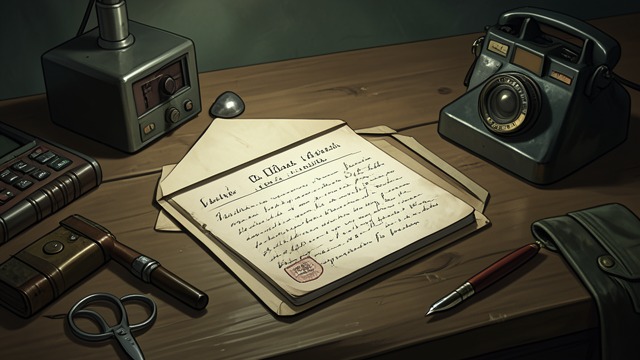
A Voice Reaches Readers
Preservation and return
Anne’s papers survived the arrest and were eventually given to Otto Frank. Their preservation made publication possible after the war.
Private writing, public memory
The diary’s journey fulfilled part of Anne’s own literary hope. Readers could encounter not an abstract symbol but a young person’s changing observations, conflicts, and ideals.
June 1942
July 1942
January 1944
April 5, 1944
After 1944
